

 Palmer’s Direct To You Market

Print

Levi Palmer Dry-Aged Bone-In Ribeye with Cowboy Butter
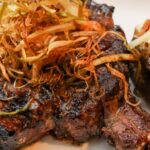
Dry aging concentrates beef flavor and makes the meat more tender, so a steak like this needs very little. A hot cast-iron skillet, a quick finish in the oven, a meat thermometer and a spoonful of cowboy butter are all it takes.
- Prep Time: 10 minutes, plus 1 hour to rest at room temperature
- Rest Time: 10 Min
- Cook Time: 15 to 20 minutes
- Total Time: 1 hour 45 minutes
- Yield: 2 Servings 1x
- Category: Main Course
- Method: Stovetop, Oven
- Cuisine: American
Ingredients
Scale
Steak
- 1 Certified Angus Beef® Levi Palmer Dry-Aged Bone-In Ribeye, 1½ to 2 inches thick
- 1 tablespoon avocado or canola oil
- About 1 teaspoon kosher salt per pound of steak
- Freshly cracked black pepper, to taste
Cowboy Butter
- 4 tablespoons unsalted butter, softened
- 1 garlic clove, minced
- 1 teaspoon Dijon mustard
- 1 teaspoon lemon juice
- 1 teaspoon chopped fresh parsley
- Pinch of smoked paprika
- Pinch of black pepper
Instructions
- Prep the steak. Take the steak out of the refrigerator 1 hour before cooking. Pat it dry with paper towels and season all sides well with kosher salt and pepper.
- Make the cowboy butter. In a small bowl, stir together the butter, garlic, Dijon, lemon juice, parsley, smoked paprika and black pepper. Set aside.
- Sear. Heat the oven to 400 F. Heat a cast-iron skillet over medium-high heat until very hot. Add the oil, then the steak. Sear 3 to 4 minutes per side until a deep crust forms. Use tongs to hold the steak on its fat edge for about 1 minute to render it.
- Finish in the oven. Move the skillet to the oven. Roast until an instant-read thermometer in the thickest part of the steak, away from the bone, reads:
- 120 to 125 F for rare
- 125 to 130 F for medium-rare
- 135 F for medium
Start checking after 6 minutes. Thicker steaks take longer.
- Butter and rest. Move the steak to a cutting board and top it right away with a spoonful of cowboy butter. Let it rest 10 minutes. The temperature will rise about 5 degrees as it rests.
- Carve and serve. Cut the meat away from the bone, then slice against the grain. Serve with the remaining cowboy butter alongside roasted potatoes, grilled vegetables or a simple salad.
Notes
- Keep it simple. Dry-aged beef has a concentrated flavor, so skip heavy marinades and strong seasoning blends. Salt, a good sear and finishing butter are all it needs.
- Check away from the bone. Bone conducts heat differently, so a reading next to it won’t be accurate.
- Make the butter ahead. Cowboy butter keeps covered in the refrigerator for up to 3 days. Let it soften before serving.
Inspired by a presentation created by Chef Steve Tross of Stone Creek Restaurant for Palmer Food Services, highlighting the versatility and premium quality of Palmer’s wholesale dry-aged beef program.
Food Safety Notice: Always wash hands and sanitize surfaces before and after handling raw meat, poultry, or seafood. Use separate cutting boards for raw proteins and ready-to-eat foods. USDA recommends whole muscle beef and lamb reach 145°F with a 3-minute rest, fish reach 145°F, and all poultry reach 165°F. Temperatures noted for whole muscle beef, lamb, and fish reflect culinary preference and may differ from federal guidelines. Ground meat of any kind must always reach 160°F. Consuming undercooked meat, poultry, or seafood may increase your risk of foodborne illness.